
The Hormone–Skin Connection: What Your Skin Is Telling You
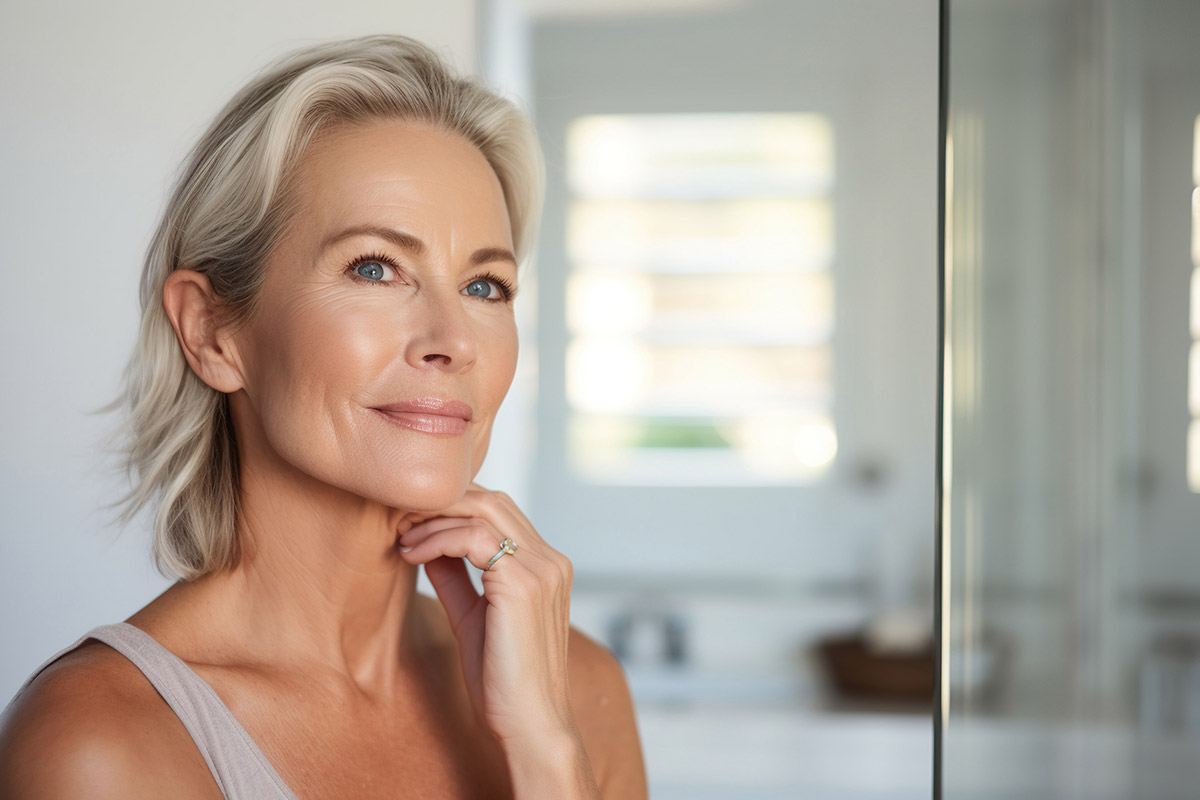
Hormones play a major role in the health, appearance, and function of your skin. From acne and oil production to collagen levels and pigmentation, hormonal balance directly influences how your skin looks and feels. Changes in hormone levels — whether due to puberty, stress, pregnancy, aging, or medical conditions — can significantly impact skin quality.
Testosterone and Oil Production
Testosterone stimulates the sebaceous (oil) glands in the skin. When levels are elevated or when the skin is highly sensitive to androgens, excess oil production can occur. This may lead to:
- Acne breakouts
- Oily skin
- Enlarged pores
This is why acne is common during puberty, when androgen levels increase.
Estrogen and Skin Elasticity
Estrogen supports collagen production, skin thickness, and hydration. Healthy estrogen levels contribute to:
- Firmness and elasticity
- Smoother texture
- Improved moisture retention
When estrogen declines — such as during menopause — skin may become thinner, drier, and more prone to fine lines and wrinkles.
Progesterone and Inflammation
Progesterone influences oil production and inflammatory responses. Hormonal fluctuations during the menstrual cycle can trigger breakouts, particularly in the days leading up to menstruation.
Cortisol and Stress-Related Skin Changes
Cortisol, the body’s primary stress hormone, can negatively affect the skin when chronically elevated. High cortisol levels may:
- Increase inflammation
- Worsen acne
- Trigger eczema or psoriasis flare-ups
- Accelerate collagen breakdown
Chronic stress can therefore contribute to premature aging and skin sensitivity.
Insulin and Glycation
Elevated insulin levels, often linked to high-sugar diets or insulin resistance, can promote inflammation and glycation. Glycation damages collagen and elastin, contributing to:
- Loss of skin elasticity
- Premature wrinkles
- Dull complexion
Thyroid Hormones and Skin Texture
Thyroid hormones regulate metabolism. When thyroid function is low, skin may become dry, rough, and pale. In hyperthyroidism, skin may appear thinner and more sensitive.
Hormones and Pigmentation
Hormonal shifts — particularly involving estrogen and progesterone — can influence melanin production. This may result in:
- Melasma (dark patches on the face)
- Uneven skin tone
- Increased sensitivity to sunlight
Supporting Hormonal Balance for Healthy Skin
Maintaining balanced hormones can positively affect skin appearance. Strategies may include:
- Healthy nutrition
- Regular exercise
- Stress management
- Quality sleep
- Medical evaluation when symptoms persist
Conclusion
Your skin reflects your internal hormonal environment. When hormones are balanced, skin tends to appear clearer, firmer, and more radiant. When imbalances occur, visible changes often follow. A comprehensive approach that addresses both skincare and hormonal health can support long-term skin vitality.