
The Hormone–Weight Connection: Why Imbalance Can Lead to Weight Gain
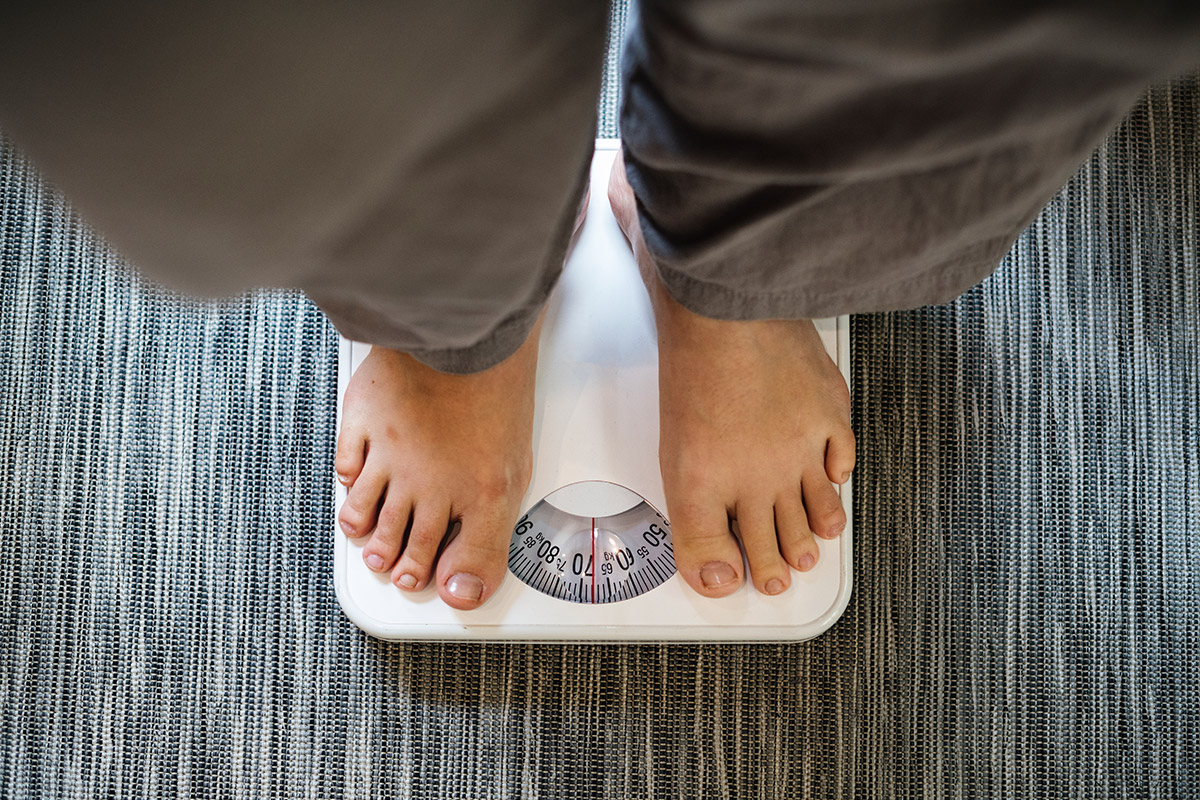
Yes — hormonal imbalance can contribute to weight gain. While nutrition and physical activity are key factors in body composition, hormones regulate how the body stores fat, burns calories, manages appetite, and responds to stress. When these systems are disrupted, weight changes may occur even without major lifestyle shifts.
How Hormones Influence Body Weight
Hormones act as messengers that coordinate metabolism, energy use, and fat storage. If certain hormones are too high, too low, or poorly regulated, the body may become more prone to storing fat or less efficient at burning it.
Key Hormones Linked to Weight Gain
Insulin
Insulin regulates blood sugar levels and helps move glucose into cells for energy. When insulin levels are chronically elevated — often due to insulin resistance — the body may store more fat, particularly around the abdomen.
Cortisol
Cortisol is the primary stress hormone. Long-term elevation may promote fat storage, increase cravings for high-calorie foods, and contribute to abdominal weight gain.
Thyroid Hormones
The thyroid controls metabolic rate. When thyroid function is low (hypothyroidism), metabolism slows, which may lead to gradual weight gain, fatigue, and fluid retention.
Estrogen
Fluctuations in estrogen — particularly during perimenopause and menopause — may influence fat distribution and increase central body fat.
Testosterone
Testosterone supports lean muscle mass. Lower levels may reduce muscle tissue, slowing metabolism and making fat accumulation more likely.
Leptin and Ghrelin
Leptin signals fullness, while ghrelin stimulates hunger. Disruption in these hormones may increase appetite and reduce satiety cues.
Signs Hormones May Be Contributing
- Unexplained weight gain
- Difficulty losing weight despite lifestyle changes
- Persistent fatigue
- Sleep disturbances
- Mood changes
- Changes in menstrual cycle or libido
Why Weight Gain Is Multifactorial
Hormones rarely act alone. Stress, sleep quality, diet, activity level, genetics, and age all interact with endocrine function. For example, chronic stress may elevate cortisol, which can influence insulin and thyroid function.
What Can Help?
- Balanced nutrition with adequate protein and fiber
- Regular strength and cardiovascular exercise
- Stress management
- Consistent sleep schedule
- Medical evaluation if symptoms persist
Conclusion
Hormonal imbalance can contribute to weight gain by affecting metabolism, appetite regulation, and fat storage. If weight changes occur without clear lifestyle explanation, evaluating hormonal health may provide helpful insight into the underlying causes.